How can you influence the ETG value?
Short answer: The ETG value cannot be reliably manipulated. Neither water, coffee, exercise, sauna nor other home remedies accelerate the biological breakdown of alcohol in the liver in a way that makes an ETG test “negative”. Anyone who tries to cheat shortly before a urine screening is more likely to risk an abnormal sample than a clean result.
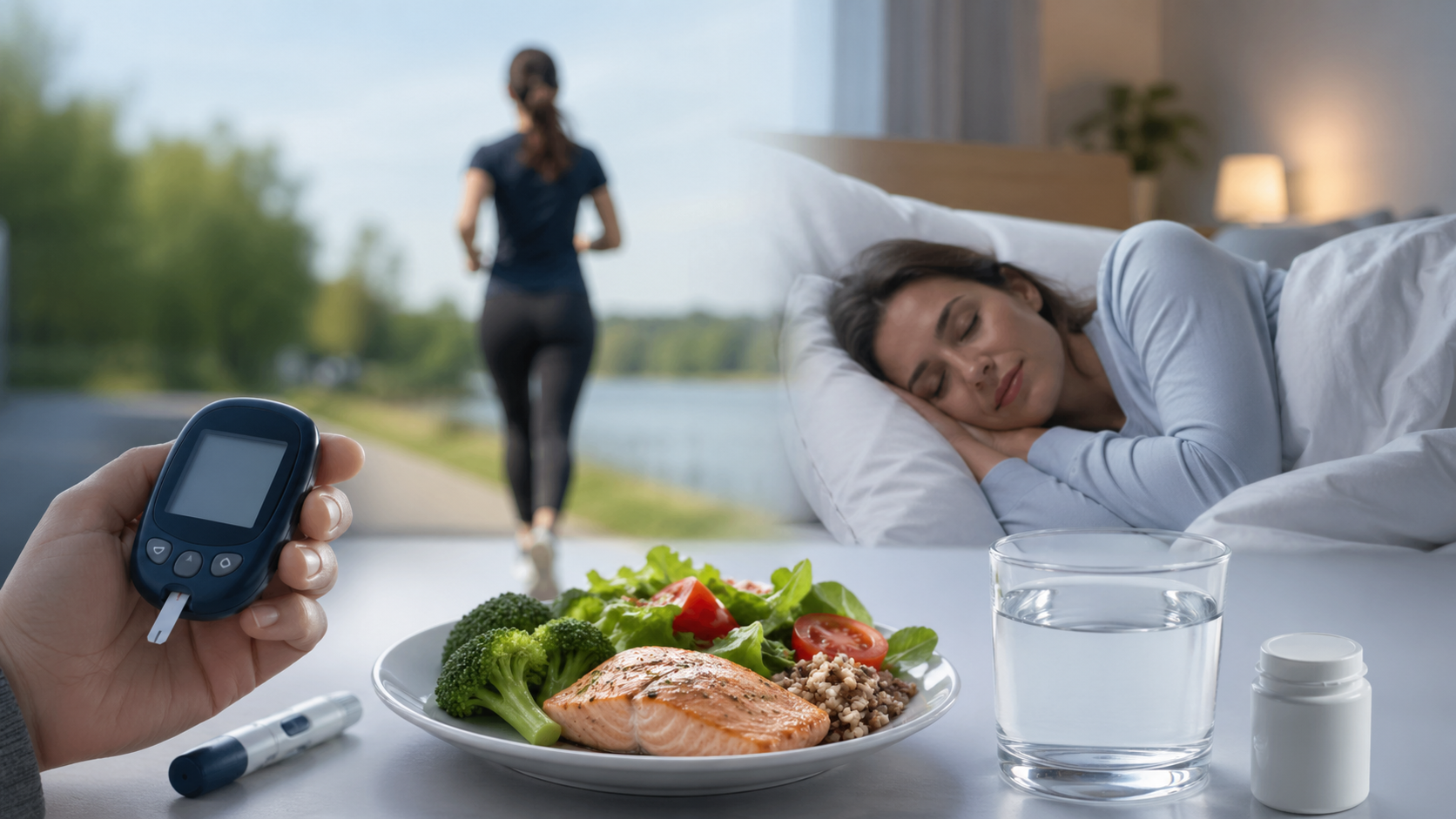
That’s exactly why the question “Can you influence the ETG value?” so sensitive for many people. It often appears shortly before a proof of abstinence, an MPU or a professionally relevant screening. The hope is understandable. But when it comes to alcohol, the body doesn’t work according to wishful thinking, but according to biochemistry.
ETG stands for ethyl glucuronide. This substance is produced when the body breaks down alcohol. Unlike alcohol itself, ETG remains detectable for a much longer period of time and is therefore used in urine or hair analyzes when the question is whether alcohol contact has occurred during a certain period of time.

Many guides online promise quick solutions. Drink more. Detoxify. Sweat. Nutritional supplements. Sounds good, but it usually doesn’t stand up to a thorough examination. Anyone who is seriously preparing for proof of abstinence does not need myths, but rather clarity.
The most important thing in brief
- The ETG value cannot be reliably “drinked away” or “sweated away”.
- The only safe strategy for a negative ETG test is consistent abstinence from alcohol.
- A lot of water can dilute the urine, but does not reduce the actual breakdown of alcohol.
- Modern laboratories recognize signs of manipulation such as implausible dilution.
- Low positive values must be classified professionally because everyday products containing alcohol can also play a role.
- For MPU and proof of abstinence, it is not just the laboratory value that counts, but the entire context.
What is the ETG value anyway?
ETG is a direct alcohol marker. As soon as ethanol is processed in the body, ethyl glucuronide is formed, among other things. This marker is excreted in the urine and is therefore suitable for detecting previous alcohol consumption when alcohol in the blood or in the breath is often no longer measurable.
It is important for those affected: an ETG value is not a “character test”, but a laboratory parameter. At first he only says that there was contact with alcohol. How this finding is to be evaluated depends on several points: time, quantity, individual metabolic status, laboratory limits, sample quality and the specific reason for the test.
Can you influence the ETG value?
Direct and reliable: no. The actual breakdown of alcohol is primarily controlled by the liver. You can’t even trick this process with a home remedy. This is exactly where the mistake in thinking lies for many of those affected: They confuse a possible dilution of the urine with a real change in metabolism.
In practical terms, this means that if you drink liters of water, you will, in the best case scenario, change the concentration of individual substances in the urine sample. But that doesn’t eliminate alcohol consumption. Good laboratories therefore not only look at ETG, but also parameters that may indicate a diluted or abnormal sample.
What can actually influence the results
- the amount of alcohol consumed
- the period since the last consumption
- individual differences in metabolism, liver and kidney function
- Gender, age, body composition and drinking patterns
- the question of whether it is urine, hair or other markers
Which typically doesn’t work
- drink a lot of water
- Coffee or energy drinks
- Sauna, sweating or intense exercise shortly before the test
- Vitamin supplements, lemon juice, vinegar or similar home remedies
- short-term “detox” promises without any medical basis
If you’re looking for a shortcut at this point, I have to disappoint you: the serious answer remains unsexy. Abstinence is the safe way. Everything else moves between wishful thinking and risky self-deception.
How long is ETG detectable in urine?
There are a particularly large number of half-truths circulating here. Sometimes we talk about 24 hours, sometimes about 3 days, sometimes about 5 days. What is realistic is that the detection time depends heavily on the individual case and the cut-off used. For smaller quantities the window may be shorter. After higher consumption or more sensitive laboratory limits, it can be significantly longer.
A clinical evaluation of different EtG cut-offs shows that lower limit values react significantly more sensitively. A cut-off of 100 ng/mL detects heavy alcohol consumption over several days, while higher cut-offs such as 500 ng/mL are much less sensitive and primarily detect younger, heavier consumption. That’s exactly why general statements like “you’ll definitely be clean after 48 hours” are technically dubious. Source: PMC study on EtG cut-offs
In practice this means: it is not the internet value that decides, but the specific laboratory procedure. If you focus on one MPU proof of abstinence If you are preparing, you should not plan with arithmetic tricks, but rather with sufficient safety distance.
Why water doesn’t “eliminate” the ETG value
The myth persists. Drinking more should help. In fact, high fluid intake can dilute urine. What it cannot do: reverse the alcohol degradation that has already taken place or reliably delete ETG from the system.
Even more problematic: an implausibly diluted sample can itself become a problem. Anyone who is in a controlled program does not want to trigger a discussion about attempts at manipulation. That’s why normal drinking behavior makes sense. Frantic preparation shortly before the appointment is unlikely.
Hidden sources of alcohol: the point that many underestimate
The actual information gain in this topic often lies not in “insider tips”, but in the little everyday traps. Products containing alcohol can unexpectedly become relevant, especially for very sensitive evidence. These include, for example:
- Mouthwashes with alcohol
- Hand disinfectant when used frequently
- certain cough syrups or drops
- Foods with added alcohol
- fermented drinks
- non-alcoholic beer if it is not actually 0.0%
- cosmetic products with a high alcohol content
This is exactly where things get tricky in everyday life. The SAMHSA Advisory expressly points out that EtG and EtS tests can also react to alcohol from everyday products due to their high sensitivity. At the same time, she recommends never evaluating such findings in isolation, but always in context. Source: SAMHSA/NIAAA Advisory on Alcohol Biomarkers
If you are running an abstinence program, this is the clear consequence: read ingredient lists, avoid alcohol-containing products if possible and, if in doubt, consult the body that accompanies the proof. This is much wiser than having a finding that requires explanation later.
ETG value and MPU: What really matters
In the MPU context it is not just about a single numerical value. It’s about credibility, traceability and stability. Anyone who has to live an abstinent life should not think about how to “optimize” a marker, but rather how to document it cleanly, live comprehensibly and avoid typical mistakes.
In this context, it is also helpful to look at related topics such as: Detection times for alcohol in urine or the Liver values in the MPU. In practice, a single ETG value is rarely completely isolated in space.
What counts in urine screenings
- complete participation in the program
- no risky “self-experiments” before taxes
- Open handling of medications and special features
- normal rather than extreme drinking behavior before the test
- no trust in myths from forums or social media
And what about hair analysis?
Hair analyzes are not about the last 24 or 72 hours, but rather a longer period of time. The significance is therefore different. That’s why the typical question is “How do I get ETG down in the short term?” When it comes to hair, the content is already wrong. Anyone who is about to have a hair analysis should find out early about the requirements, time period and possible reasons for exclusion. You can also find a good introduction to this here Detection times in urine and the related contributions in the area of proof of abstinence.
Can you read the exact amount you drink from the ETG value?
Not serious. A higher value can indicate heavier or younger consumption. But it cannot be translated cleanly back into “x beer” or “y glasses of wine”. Timing, metabolism and individual differences play a role. Clinical laboratories also expressly point out that urine EtG is not intended as an exact drink counter, but rather as a marker for previous alcohol contact. Source: MUSC Clinical Neurobiology Lab
What you should specifically do before an ETG test
- Stay abstinent from now on. Not “almost”, not “just a glass”.
- Check everyday products that contain alcohol. Especially mouthwash, medication and special products.
- Do not dilute artificially. Normal drinking behavior is better than hectic countermeasures.
- Document medications and special features. If in doubt, speak up early.
- Plan with a safe distance. Those who sew on edge often lose.
Conclusion: influence ETG value? In practice, abstinence is the only safe answer
Yes, there are factors that influence measurement results. No, this does not result in a reliable method of manipulation. That is exactly the crucial point. The ETG value is not a field for tricks, but a marker used in a medically and often legally sensitive context.
If you’re about to take a test, the best strategy is surprisingly simple: don’t consume alcohol, avoid risky everyday sources, don’t dilute anything artificially and approach the detection professionally. That’s not spectacular. But that’s exactly what works.