Do I have to submit a urine test at a police checkpoint?
During a police stop, the question often arises as to whether you as a driver have to take a urine test. The process and legalities can be confusing, so it is important to be well informed. This blog post explains the different aspects of drug testing during a traffic stop, from the various police testing procedures to the legal consequences of a refusal. Find out what you need to know to make the right decision in the event of a police stop.
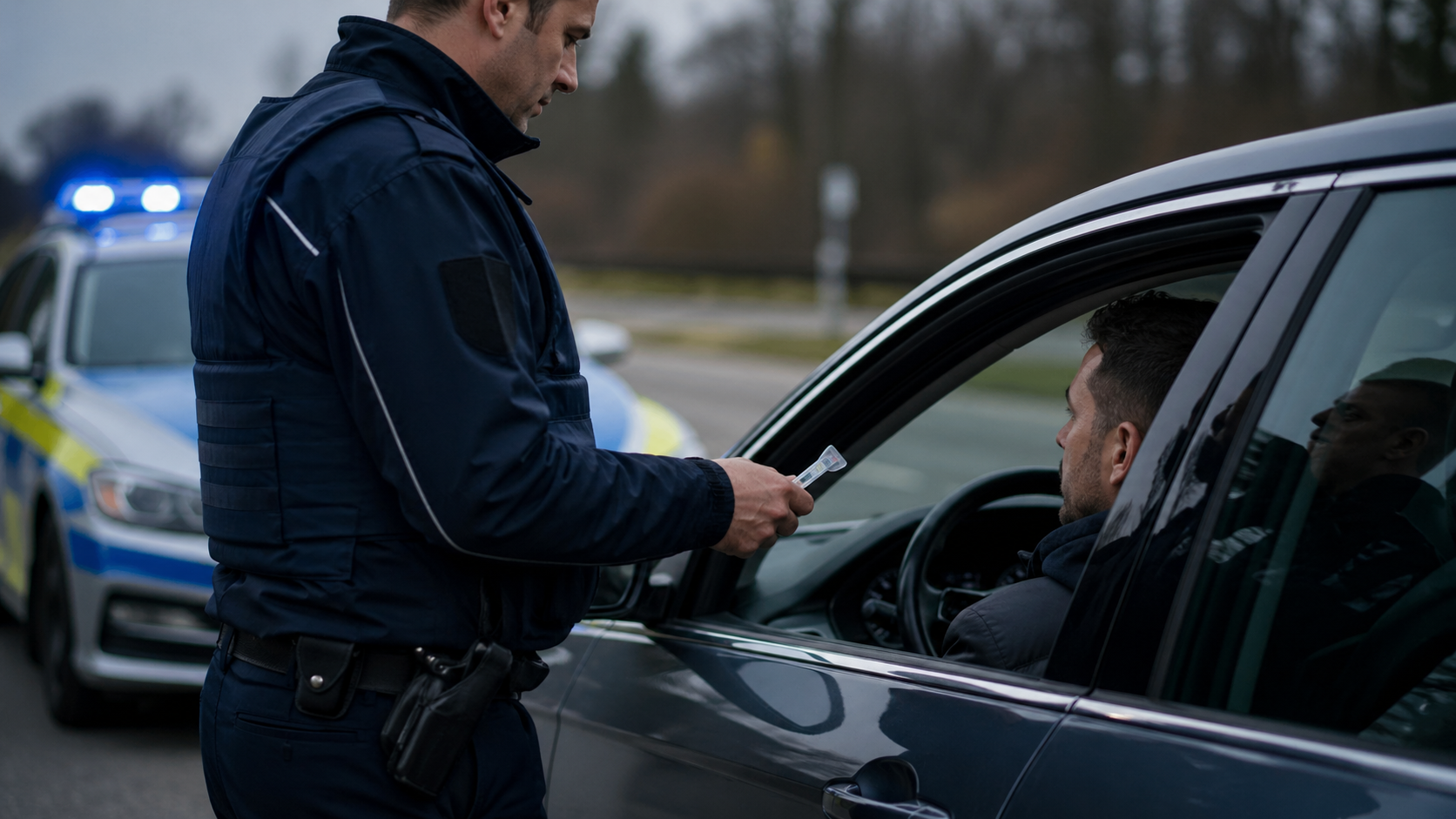
Types of drug tests used by police
| Type of test | Description |
| Wipe tests | Used frequently in the past, but waiting time for results was long. |
| Saliva tests | Also used, but not as reliable as urine tests. |
| Urine tests | Popular and reliable, quick result in 3-4 minutes. |
| Blood samples | can be ordered by a judge or prosecutor, more expensive for the driver if the result is positive. |
| Voluntary pre-tests | Always on a voluntary basis, can be refused. |
Overview of different test methods
Police use various testing methods to detect drug use during traffic stops. Swab tests and saliva tests were previously used, but due to their long wait times, urine tests are more popular these days. If the symptoms are positive, a blood sample may be requested, which must be paid for by the driver.
The use of urine tests in traffic stops
Urine tests are a common tool for police officers during traffic stops because they provide quick results. However, submitting such a test is voluntary and drivers can refuse it, citing their privacy. It is important to recognize that, unlike other testing methods, urine tests are easily manipulated and do not always provide an accurate picture of current drug use.

Urine test for the police: differences in women
During police checks, there may be differences for women when it comes to carrying out a urine test. Women often feel unsafe or uncomfortable in such situations, especially if the test is carried out on site and in non-confidential conditions.
In many cases, women are allowed to request that the test be supervised by a female official to protect their privacy. It is important that women know their rights and that in certain circumstances they can insist on having the test done in a discreet environment.
Urine test police: cut-off values and their meaning
The cut-off values for urine tests are the limit values above which a drug test is considered positive. These values are crucial in determining whether a person is under the influence of drugs. The limit values vary depending on the substance tested and are set by law. For example, the cut-off value for THC, the psychoactive component of cannabis, is typically 50 ng/ml.
For amphetamines the limit is around 500 ng/ml. Understanding these cut-off values is important because even occasional drug use can still be detectable after days or weeks, depending on the substance and individual metabolism.
Police drug tests without suspicion: Is that allowed?
Drug tests without specific suspicion are not permitted in Germany. The police are not allowed to order drug tests arbitrarily, but rather require reasonable suspicion. Such suspicion can arise from the driver’s unusual behavior, visible drugs in the vehicle or other evidence.
Without these suspicions, a drug test would be an inadmissible measure and could be viewed as a violation of personal rights. It is therefore important to know the legal basis and requirements for such tests in order to be able to defend yourself in the event of an unauthorized inspection.
Refusing a urine test: experiences and legal situation
Refusing a urine test can have legal consequences. In practice, those affected report different experiences: Some were able to successfully refuse the tests without any further action being taken, while others were confronted with fines or even the revocation of their driving license due to the refusal.
Legally, everyone has the right to refuse to cooperate with the police. However, this may be viewed as an admission of guilt, which may result in further investigation. It is advisable to seek legal advice in such situations and to be aware of the exact legal consequences of a refusal.
The drug test process during a traffic stop
| Step | information |
| Stop | The police officer asks the driver to stop. |
| Drug suspicion | If drug influence is suspected, a drug test will be requested. |
| Test execution | The urine test is carried out on site to determine drug use. |
Factors leading to a drug testing requirement
If the police officer notices signs of drug use in the driver, a drug test may be requested. These signs can be, for example, unusual behavior or physical clumsiness. The test serves road safety and the prevention of accidents in road traffic.
Police officer discretion and your rights
The police officer has the discretion whether to conduct a drug test during a traffic stop. As a driver, you have the right to refuse to take the test, as it is usually done on a voluntary basis. It is important to know your rights and understand the drug testing process to make an informed decision.
Tip: How to handle a request for a urine test
- Know your rights and responsibilities: It is important that you as a driver know your rights and responsibilities when it comes to taking a urine test at a police stop. Find out about the legal regulations in your federal state so that you can react appropriately in an emergency.
Knowledge of your rights and obligations
It is crucial to understand that providing a urine test during a police stop is on a voluntary basis. According to German case law, a driver can refuse to undergo such a test without fear of negative consequences. It is advisable to find out about the applicable laws in advance so that you can react confidently in such a situation.
How to Politely Refuse a Urine Test
If you decide to politely refuse a urine test during a police stop, it is important to remain calm and respectful. You can politely inform the officer that you would like to exercise your right to refuse the test. It is advisable to argue objectively and point out that giving a urine test is voluntary.
It is important that you are aware of your rights and remain objective and polite to avoid misunderstandings. Perceive the police officer’s reaction and act accordingly to defuse the situation and protect your rights.
Pros and Cons: Take the test or not take the test
| Advantages | Disadvantages |
|---|---|
| A urine test can be carried out quickly and easily and provides a quick result. | A urine test is easy to manipulate and can produce false negative results. |
| The result of a urine test can provide relief and enable quick clarification. | A positive urine test can lead to consequences such as losing your driver’s license. |
Effects of agreeing to a urine test
Agreeing to a urine test during a police stop can help to enable the situation to be dealt with more quickly and to eliminate possible suspicions.
Possible consequences of refusing to test
Refusal to take a urine test during a police stop can cause suspicion from the police and potentially lead to further consequences. It is important to consider whether refusing a test makes sense, as this can also lead to legal consequences.
FAQ: Frequently asked questions
When do you have to hand in urine to the police?
A urine test must be submitted if the police have reasonable suspicion of drug use. This can be triggered by unusual behavior or other evidence.
Is a urine test mandatory?
A urine test is not generally mandatory, but can be ordered by the police under certain circumstances.
Can you refuse the urine test?
Yes, you can refuse the urine test, but this may result in legal consequences, such as ordering a blood test or other measures.
Can you refuse a drug test during a traffic stop?
A drug test can be refused, but this can be seen as an admission of guilt and lead to further legal action.