Industries with the most traffic violations
Frequent traffic violations: Who is particularly affected?
Traffic violations are an everyday phenomenon on German roads. But not all professional groups are affected equally. Crimes are increasing, particularly in sectors with high mobility pressure, such as transport or construction. Although there are no official statistics by sector of the economy, clear conclusions can be drawn from the type of violations and the working environment. Anyone who drives a lot has a higher risk – especially under time pressure and with tight delivery deadlines.
The most important thing in brief
- Most traffic violations affect groups of offenses rather than specific industries.
- Speeding violations were the most common in 2023 with around 2.5 million cases.
- Other common violations: cell phone while driving, red light, distance violations
- The transport and logistics industry, crafts and delivery services are particularly affected
- Regional differences in types and frequency of violations
Which industries have the most traffic violations?
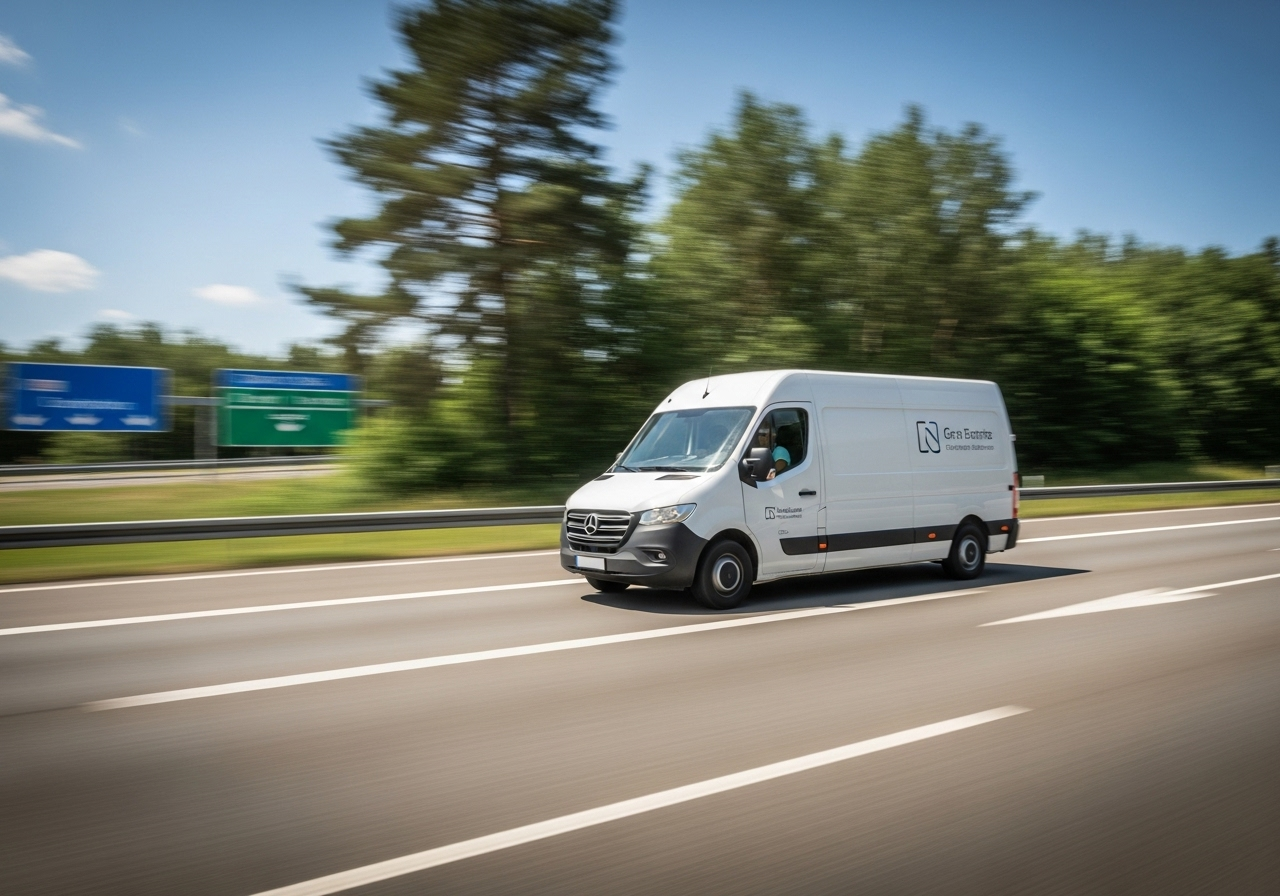
Transport and logistics companies as well as craft and delivery services are most affected. They have the highest density of speeding and cell phone violations.
Traffic offenses by sector: An incomplete picture with clear trends
Although official traffic statistics are not analyzed by industry, a realistic assessment can still be made based on the job profiles. The higher the driving performance, the greater the risk of a violation. In the transport and logistics industry, drivers often spend the entire working day behind the wheel. The same applies to craftsmen or courier drivers who move through dense city traffic. The police and authorities primarily record the type of violation – but not the professional background of the driver. Nevertheless, studies and industry analyzes show that economic constraints, narrow time windows and high route performance represent decisive risk factors.

Transport and logistics: frontrunner in traffic violations
Drivers in commercial freight and passenger transport spend hours on the road every day. You are under time pressure, have to meet delivery deadlines and struggle with traffic jams, stress and short breaks. Speeding, distance violations and disregard for driving and rest times are particularly widespread in this industry. The risk of cell phone violations is also increased since drivers often need to communicate while on the move. According to experts, a disproportionate share of fines are issued to professional drivers. The driving performance here is well above the average for the population, which naturally leads to more incidents – regardless of individual driving style.
Crafts and construction: When deadline pressure leads to mistakes
Tradesmen often travel in vans to changing construction sites. Time is money – and many people work to tight schedules. This often leads to speed limits being exceeded or cell phone bans being ignored. Especially in cities, there are also cases of illegal parking in the second row or in no-parking zones in order to unload material quickly. In combination with long working days and stressful customer projects, the potential for errors increases. Although many companies now have clear driver instructions, everyday life is often different. This makes crafts one of the sectors with an increased traffic risk – even if it is rarely documented.
Delivery services and courier drivers: More stops, more stress, more crimes
Parcel delivery is booming – and with it the number of vehicles on the roads. Courier services are constantly on the move, with many deliveries needing to be delivered in a short period of time. This results in an enormous timing in road traffic. Violations of parking rules, speed limits and the use of cell phones are particularly common here. There are often hardly any legal parking options in inner cities, which exacerbates the situation. Unsecured loads or risky driving maneuvers are also documented by the police. The high frequency of stops not only increases the stress factor, but also the likelihood of errors. The industry is therefore one of the most heavily burdened.
Regional differences: Brandenburg, Berlin & Co. in focus
Traffic violations differ not only by professional group, but also by region. In 2022, Brandenburg was at the top of the statistics with around 77 traffic violations per 1,000 inhabitants. Interesting: Over 80 percent of these were speeding violations. In Berlin, on the other hand, the focus is on red light violations and using a cell phone while driving – typical of inner-city traffic. North Rhine-Westphalia and Bavaria also regularly report high numbers of traffic offenses. The causes are diverse: high traffic volumes, different monitoring techniques or regional focus controls play a role here. Companies with a lot of field trips in these regions are at greater risk.
Traffic violations as a cost and risk factor for companies
For companies, traffic violations can mean more than just a fine. Loss of image, internal sanctions and rising insurance premiums are realistic consequences. The threat of driving bans for employees can also have a massive impact on operations. That’s why many companies invest in training and telematics systems. Especially in Transport and logistics Such measures are standard today. Nevertheless, violations remain a serious issue. Employers are increasingly responsible for avoiding rule violations – not only for legal reasons, but also to prevent accidents and in terms of occupational safety.
Conclusion: If you drive a lot, you risk a lot
Traffic violations are significantly more common in certain industries – especially where mobility is part of everyday working life. The focus is on transport, crafts and delivery services. Those who work on the streets have more responsibility and are at greater risk. Companies should therefore take targeted countermeasures: with education, technology and clear rules. Because every violation costs money – not just money, but also security.